
How to Measure the ROI of Incentive Campaigns
Incentive travel and prize-based campaigns have a well-earned reputation for motivating people. But when budget seasons arrives, “it felt great” rarely convinces a finance director. The good news is that measuring the return on your incentive investment is entirely achievable, you just need to know what to look for and when to start looking.
Why Measurement Matters From Day One
The biggest mistake businesses make with incentive campaigns is treating measurement as an afterthought. If you wait until the campaign ends to think about ROI, you’ve already lost the clearest data you had.
Before a campaign launches, set your baseline. What does performance look like right now — revenue per head, sales conversion rates, customer retention figures, team productivity scores? These numbers are your benchmark. Without them, you’re trying to calculate a percentage with no starting figure.
Agree on your success metrics with every stakeholder before the campaign goes live. That alignment prevents the familiar post-campaign debate about whether results were “good enough”

What Counts as Return?
ROI isn’t always a pound-for-pound calculation. With incentive campaigns, the return can be financial, behavioural or cultural — and often all three at once. Understanding which types of return your business values most shapes how you design the measurement framework.
Financial returns are the easiest to quantify:
- Increased sales revenue against the campaign period
- Higher average order values or upsell rates
- Reduced staff turnover and the associated recruitment costs
- Improved customer retention and repeat purchase rates
Behavioural returns are harder to put a number on but equally important:
- Faster adoption of a new product or service
- Improved cross-selling activity across a sales team
- Greater engagement from channel partners or resellers
- Stronger performance consistency, not just peak results
Cultural returns are longer-term and tend to show in engagement surveys, absence data and manager feedback. A team that feels genuinely valued performs differently and an aspirational travel prize does more for morale than a voucher ever will.
The ROI Formula and How to Apply it
The standard ROI formula is straightforward:
ROI (%) = ((Return – Investment) ÷ Investment) × 100
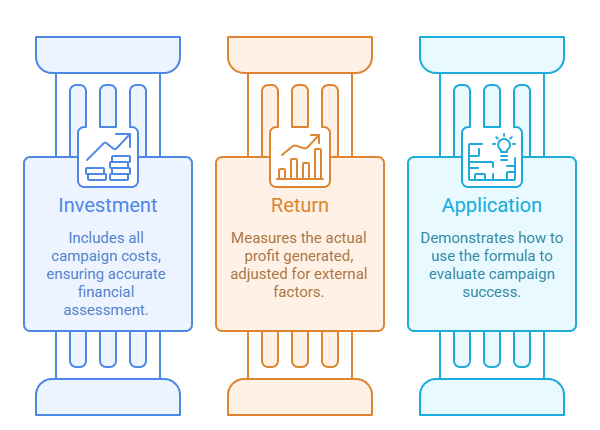
The investment figure should include the full campaign cost: prize fulfilment, communications, management time, platform fees and any third-party agency fees. Undercosting this figure makes the ROI look better than it is and sets unrealistic expectations for future campaigns.
The return figure is where context matters. If your sales team generated $400,000 above their baseline during a campaign that cost £40,000 to run, your ROI is 900%. But if 30% of that uplift would have happened anyway based on seasonal trends, adjust accordingly. Clean data gives your credible numbers.
Short-term vs Long-term Measurement
Some returns show up within weeks. A sales incentive tied to a specific product launch, for instance, will produce measurable uplift quickly and the data is relatively clean.
Others take longer to surface. Staff retention benefits, for example, only become visible over six to twelve months, but they’re significant. Replacing a mid-level employee typically costs between six months and a year of their salary once recruitment, onboarding and lost productivity are factored in. A travel incentive that retains two or three key people often pays for itself on that metric alone.
Build a measurement timeline that captures both: a 30-day post-campaign review for immediate performance data and a six-month check-in for the slower returns.
Practical Tools for Tracking Performance
You don’t need complex software to measure incentive ROI effectively. Most businesses already have what they need:
- CRM data showing individual and team sales performance over time
- HR systems tracking absence, attrition and engagement score
- Finance reports comparing revenue and margin across comparable periods
- Post-campaign surveys gathering participant feedback and perceived value
Surveys deserve particular attention. Asking participants what the incentive meant to them (and whether it changed their behaviour) gives you qualitative data that adds real texture to the numbers.
Take a Look at Our Work
Getting the Most From Your Incentive Agency
A good incentive travel agency won’t just organise the trip. They’ll help you structure the campaign to make measurement straightforward: setting entry criteria that map to your KPIs, building in touchpoints that generate useful data and helping you present the results in a format that lands well internally.
At Cloud Nine Incentives, measurements are built into everything we do. We work with clients from the campaign design stage to ensure every travel prize or incentive programme is tied to outcomes that genuinely matter to the business and that the numbers tell the full story when it counts.
Get in touch with our team to talk more about travel incentives that work well today.